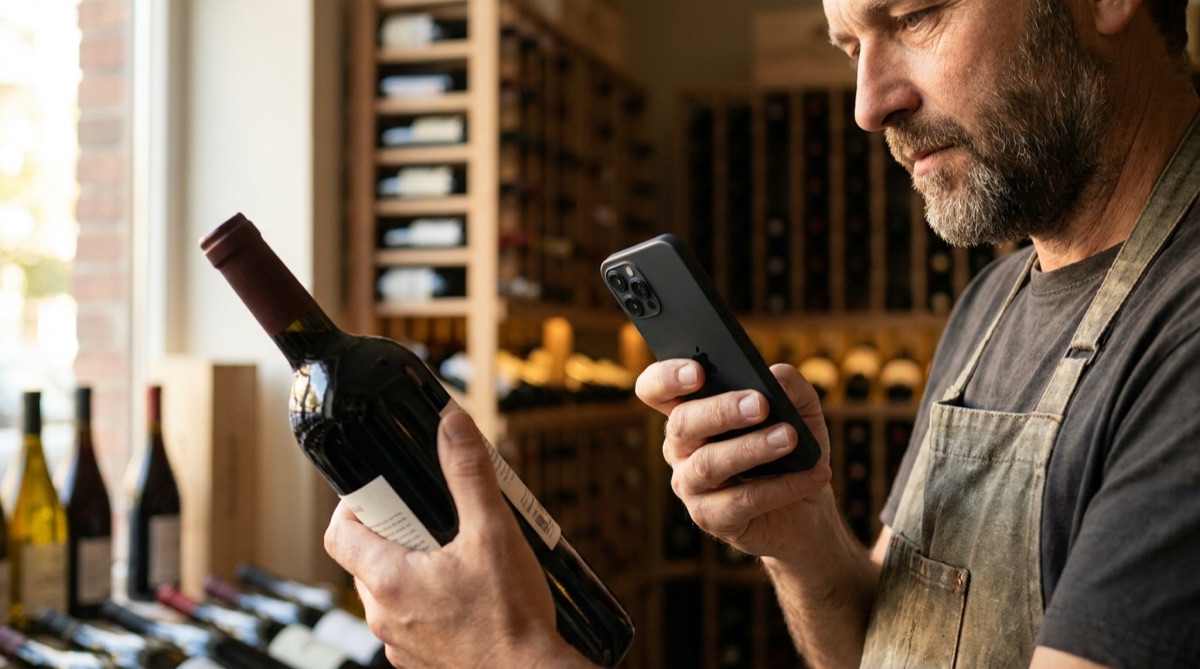
Specialty retail ordering is uniquely painful. You're not ordering generic SKUs from a warehouse - you're ordering specific vintages, rare products, and items with complex naming. Try ordering wine over the phone: '2019 Château Margaux Pavillon Rouge from Bordeaux, the 750ml not the magnum.' Did the supplier write down 2019 or 2018? Château Margaux or Château Montrose? The 750ml or the 1.5L? One small miscommunication and you receive $600 worth of the wrong product.
The phone-based ordering process is slow and error-prone. You walk through your store with a notepad writing down products you need to reorder. Back at your desk, you call suppliers and read product names from your notes. The supplier's order taker tries to find each product in their system while you're both on the phone. 'Can you spell that?' 'Is that a 2019 or a 2020?' 'What size?' A 20-item order takes 30 minutes of phone time. Both parties make transcription errors. You hang up unsure if the order is actually correct.
Email ordering is slightly better but still problematic. You type product names into an email from your handwritten notes. The supplier's order entry person interprets your text and tries to match it to products in their system. If you wrote '2019 Margaux' but they have five different 2019 Margaux products, they're guessing which one you meant. Or they email you back asking for clarification, adding days to the ordering cycle.
The consequences of ordering errors are expensive. Wrong products arrive. You can't sell them because they're not what your customers want. You negotiate returns with the supplier - if they'll even accept returns on specialty products. You're out the capital tied up in wrong inventory. You're still out of stock on the products you actually needed. Your customers are disappointed. Meanwhile, the correct products you needed sold out at the supplier because you delayed while dealing with the ordering error.